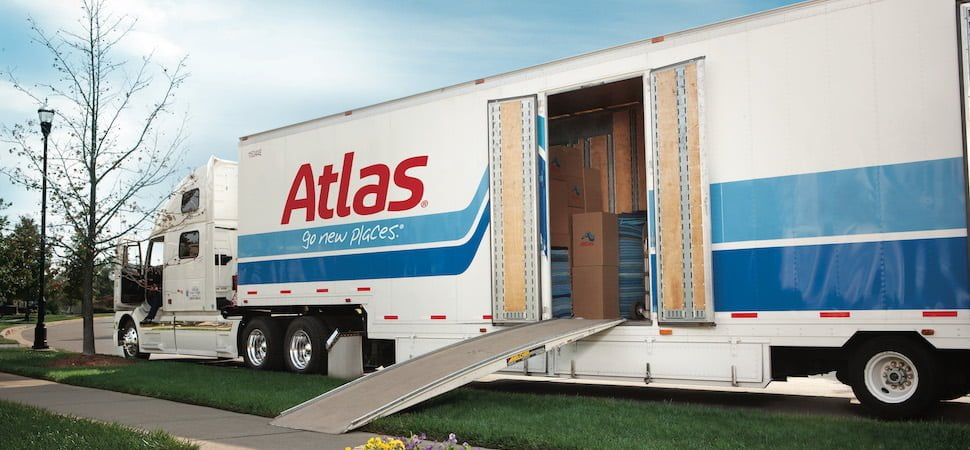
The Ultimate Guide to Moving Van Lines
When it comes to relocating, finding a reliable moving van line can significantly ease the transition. Whether you’re moving across town or to a different state, knowing what to expect and how to prepare can turn an overwhelming task into a manageable one. This comprehensive guide aims to provide you with valuable insights into moving van lines, helping you make informed decisions for your upcoming move.
Understanding Moving Van Lines
Moving van lines are companies that specialize in transporting belongings from one location to another. They offer a variety of services, including packing, loading, transportation, and unloading. Choosing the right moving van line is essential, as it can make a significant difference in the efficiency and safety of your move.
Types of Moving Van Lines
There are two main types of moving van lines: local and long-distance. Local moving van lines focus on short distances, typically within the same city or state, while long-distance van lines specialize in transportation across larger distances, often involving interstate moves. Some companies even provide international moving services.
Local Moving Van Lines
Local moving van lines usually charge by the hour. They are ideal for smaller moves since they can provide quick service without the extensive logistics required for long-distance moves. When selecting a local moving company, consider their reputation, customer service, and pricing structure.
Long-Distance Moving Van Lines
Long-distance movers generally operate on a flat-rate basis, which may vary based on factors such as the distance between locations, the size of your home, and the total weight of your belongings. It’s crucial to get several quotes to compare prices and services offered.
Choosing the Right Moving Van Line
Selecting the best moving van line involves various considerations:
- Research: Look for customer reviews and ratings online. Platforms like Yelp and Google Reviews offer valuable insights into the experiences of past customers.
- Licensing and Insurance: Ensure the moving company is properly licensed and insured. This means you will be protected in case of any damages or mishaps during the move.
- Services Offered: Some moving van lines offer additional services such as packing supplies, storage solutions, and specialty moving for fragile or oversized items. Choose a company that fits your specific needs.
What to Expect During the Moving Process
Once you’ve selected a moving van line, it’s essential to understand the moving process. Here’s a typical timeline of what happens:
1. Pre-Move Planning
Weeks before your move, you should start planning. Organize your belongings, declutter, and create an inventory list. Notify your chosen moving van line about any specific requirements you may have, such as fragile items or large furniture.
2. The Pre-Move Visit
For long-distance moves, most reputable moving companies will conduct a pre-move visit to assess your belongings. This assessment helps them provide an accurate quote and determine the necessary logistics for your move.
3. Packing and Loading
On the moving day, the moving team will come to your home to pack and load your belongings. If you chose a full-service option, they would bring packing materials and handle everything for you. If you’ve opted to do it yourself, ensure that all boxes are labeled and packed securely.
4. Transportation
After loading, your belongings will be transported to your new location. Long-distance moves may require your items to be stored in a warehouse temporarily before delivery. Ask the movers about the estimated delivery window to manage your expectations.
5. Unloading and Setup
Upon arrival at your new home, the moving team will unload the truck and place your items in designated rooms as per your instructions. It’s advisable to be present during this process to ensure everything is placed where you want it to go.

ght:auto;“ />